
As we kick off 2025, the cryptocurrency landscape continues to evolve, with developments across the blockchain space making waves in both the financial markets and regulatory arenas. From new innovations to shifts in government policy, this first week of January has already brought significant news to crypto enthusiasts and investors. In this post, we’ll cover the top stories making headlines in the world of cryptocurrency on January 7, 2025.
Bitcoin Price Surge Amid Bullish Sentiment
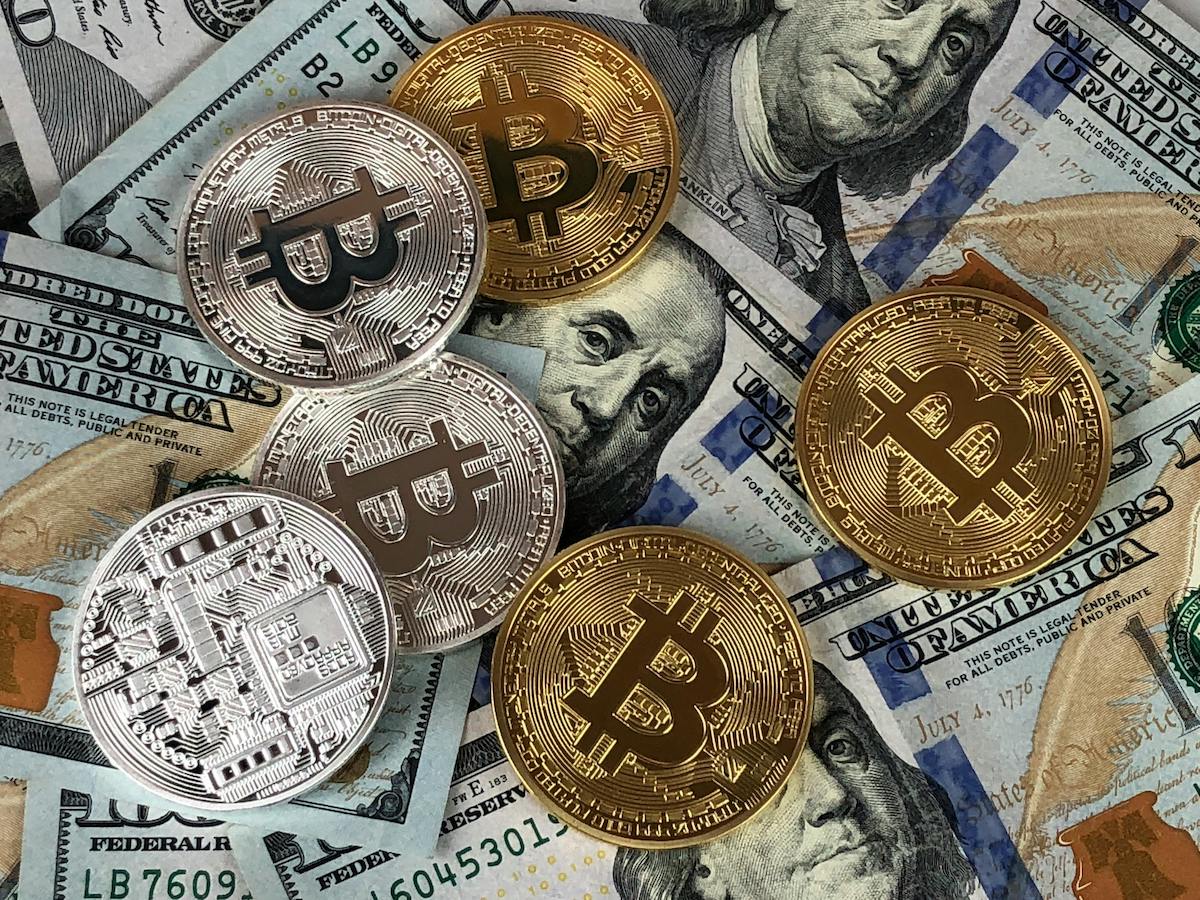
Bitcoin (BTC) has kicked off 2025 with impressive momentum, hitting new highs since its last major bull run. As of January 7, 2025, Bitcoin’s price is hovering around $96,000, a 25% increase from its December 2024 levels. Analysts suggest that a mix of factors has contributed to this surge, including institutional adoption, positive macroeconomic factors, and growing confidence in Bitcoin’s role as a hedge against inflation.
- Institutional Moves: Several large asset management firms have reported increasing their Bitcoin holdings, signaling growing confidence in digital assets as an alternative store of value.
- ETF Approval: The approval of a Bitcoin Spot ETF in late 2024 has provided a more accessible avenue for traditional investors to enter the market, helping to drive demand.
Though the surge has some speculating that Bitcoin might be heading toward its all-time highs, experts warn of potential volatility and advise caution, especially as regulatory developments loom in the U.S. and Europe.
Ethereum’s Shanghai Upgrade Makes Waves
Ethereum’s recent Shanghai upgrade—which went live in late 2024—has successfully transitioned the network to Ethereum 2.0, marking a significant step forward for the leading smart contract platform. The upgrade focuses on scalability, security, and energy efficiency, allowing Ethereum to process more transactions per second while reducing its carbon footprint through a shift to Proof-of-Stake (PoS).
As of January 7, 2025, Ethereum’s native token, ETH, has seen a healthy increase in value, reflecting market optimism around the upgrade’s success. With Ethereum 2.0’s staking rewards now more accessible to smaller investors and a reduction in network congestion, Ethereum’s dominance in decentralized finance (DeFi) is expected to strengthen even further in the coming months.
Ethereum developers are now focusing on improving Layer 2 solutions to reduce gas fees and further enhance scalability, which could drive more adoption in 2025.
Regulatory Pressure on Crypto Continues in the U.S.
As expected, cryptocurrency regulation remains a hot topic in 2025, especially in the United States, where lawmakers are debating the implementation of comprehensive rules for the industry.
- Securities and Exchange Commission (SEC): The SEC has increased scrutiny over DeFi protocols, questioning whether they should be subject to the same regulatory standards as centralized exchanges. The SEC is also stepping up its enforcement efforts against unregistered securities offerings, including Initial Coin Offerings (ICOs) and token sales, which could have broad implications for new projects in 2025.
- Crypto Taxes: There’s also growing concern around crypto tax reporting requirements, especially for staking rewards and yield farming. The IRS has proposed new guidelines for reporting these types of income, which could increase the compliance burden for U.S. crypto holders. It’s expected that this issue will remain a focus of public debate throughout the year.
- The Biden Administration’s Digital Dollar: As part of the broader regulatory push, the Biden administration has been considering the launch of a Central Bank Digital Currency (CBDC), a digital version of the U.S. dollar. The Federal Reserve has indicated that a digital dollar pilot program could begin in 2025. While the project is still in the research phase, it could have profound implications for the broader cryptocurrency market, potentially competing with stablecoins and changing the role of decentralized currencies.
Ripple (XRP) Legal Victory Spurs Market Confidence
Ripple Labs has achieved a significant legal victory in its ongoing battle with the SEC. On January 4, 2025, a U.S. court ruled in favor of Ripple, determining that the sale of XRP tokens did not constitute an unregistered securities offering, paving the way for the token’s re-entry into major U.S. exchanges.
The news sent a wave of optimism through the XRP community, pushing XRP’s price up by 30% on the announcement. Ripple’s victory also raises important questions for the broader regulatory landscape: it could set a precedent for how other cryptocurrencies are classified in the U.S., particularly those that are used in cross-border payments and DeFi applications.
Ripple’s legal victory is likely to influence the ongoing debate over the status of other tokens and coins, especially those related to utility in decentralized applications.
NFT Market Rebounds with New Innovations
After a turbulent 2024, the non-fungible token (NFT) market is showing signs of a strong rebound as we enter 2025. Despite the speculative frenzy of 2021 and 2022, NFTs are finding new use cases beyond art and collectibles.
- NFTs in Gaming: NFTs are increasingly being integrated into gaming ecosystems, with new titles utilizing blockchain technology for ownership of in-game assets and unique skins. Major studios are beginning to explore how NFTs can enhance user experience, giving players true ownership of their items.
- NFTs for Identity and Membership: Another growing use case is NFTs as digital identities or membership tokens. Various companies are exploring how NFTs can represent exclusive access to services, events, and communities, creating a more personalized experience for users.
- Environmental Innovations: In response to environmental concerns over NFT minting, several projects are now using energy-efficient blockchains and carbon offset programs to reduce the environmental footprint of NFTs. This shift has gained support among environmentally conscious buyers and creators.
As we move into 2025, NFTs are being embraced by traditional industries like fashion, music, and sports, signaling a maturation of the market and the beginning of NFTs 2.0.
The Rise of AI and Blockchain Integration
Another key trend in 2025 is the intersection of Artificial Intelligence (AI) and blockchain technology. A growing number of projects are focusing on how blockchain can support AI use cases by providing secure, transparent, and decentralized platforms for AI models.
- AI-Powered DeFi: AI is being integrated into DeFi protocols to offer more efficient trading strategies, better risk management, and enhanced automation in lending platforms. Machine learning models are also being employed to predict market trends and offer real-time decision-making in DeFi applications.
- Decentralized AI Marketplaces: Startups are exploring the concept of decentralized marketplaces for AI models and data, where creators and developers can monetize their work in a trustless environment. This could pave the way for more open-source AI development and collaborative innovation.
Stablecoins in Focus Amid Economic Uncertainty
Stablecoins have remained a key topic of discussion as governments and central banks monitor their impact on the global economy. With concerns over global inflation and currency devaluation, stablecoins such as USDC and Tether (USDT) continue to gain popularity as digital assets that provide a hedge against market volatility.
As of January 7, 2025, USDC and DAI are particularly in the spotlight due to their increased use in cross-border payments, savings, and as collateral in DeFi applications. However, regulatory scrutiny is intensifying as stablecoin issuers are under pressure to comply with financial regulations, especially regarding their reserves and transparency.
A Year of Transformation for Crypto
The cryptocurrency market in early 2025 is showing great promise with significant advancements in DeFi, blockchain technology, and regulation. While Bitcoin and Ethereum lead the charge with strong price movements and technological upgrades, the broader space continues to mature, with innovative projects and partnerships across NFTs, AI, and stablecoins.
However, regulation remains the biggest wildcard, with governments worldwide weighing the impact of decentralized finance and digital assets on the traditional financial system. The legal battles, regulatory frameworks, and emerging technologies discussed here will likely shape the future of crypto in 2025 and beyond.