
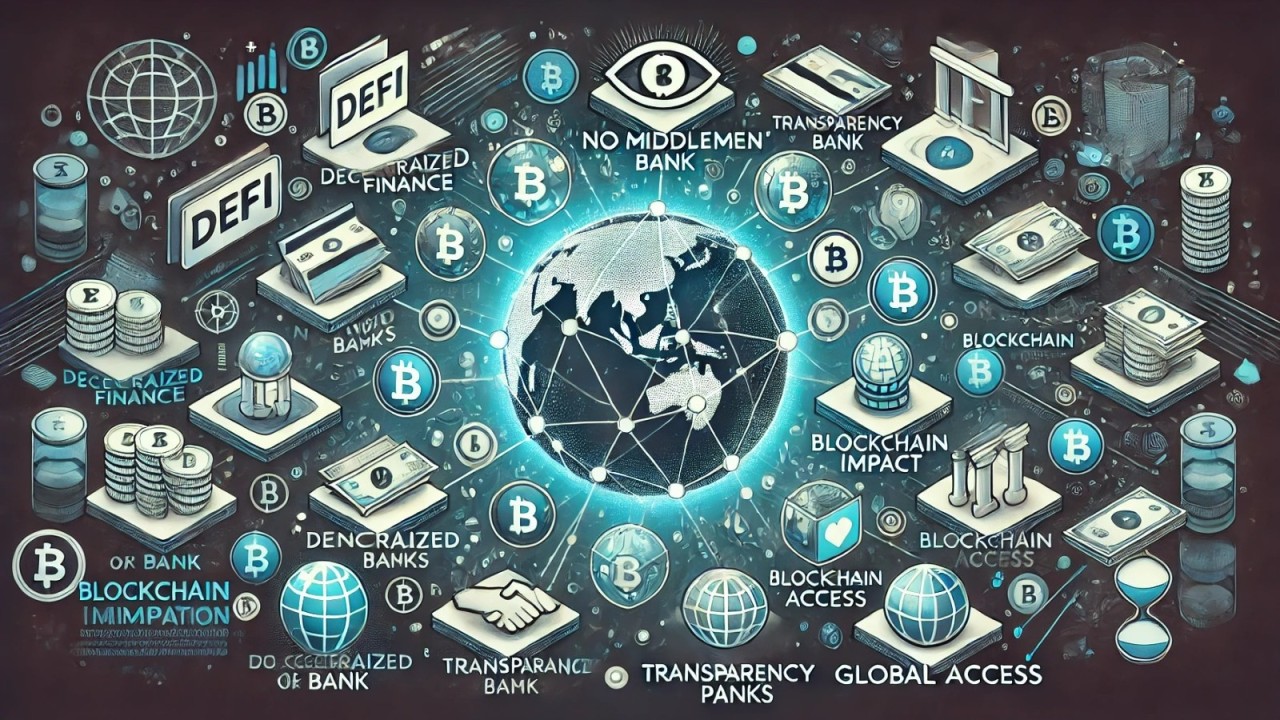
Over the past decade, decentralized finance — or DeFi — has emerged as one of the most disruptive innovations in the financial landscape. Built on blockchain technology, DeFi aims to recreate traditional financial services like lending, borrowing, saving, and payments without central intermediaries. While much of the early conversation around DeFi focused on yield farming, trading, and speculation, a powerful and often under-reported dimension has been its social impact. Across the world, DeFi is being used to support social causes, democratize access to capital, and imagine a more equitable financial ecosystem — one where people, not institutions, are at the center.
In this post, we’ll explore how DeFi supports social causes, highlight real-world examples of philanthropy and crowdfunding, examine peer-to-peer lending and charity DAOs, and discuss both the benefits and challenges of this emerging field. We’ll conclude with a look at how DeFi could reshape social good in the years to come.
How DeFi Supports Social Causes
At its heart, DeFi is about permissionless access. Unlike conventional financial systems that gatekeep based on geography, credit history, or socioeconomic status, DeFi protocols are open to anyone with an internet connection and a digital wallet. This level of openness has powerful implications for social impact:
1. Financial Inclusion
Billions of people worldwide remain unbanked or underbanked. DeFi can help bridge this gap by giving users access to lending, savings, and payments without the need for a traditional bank account. For example, someone in a rural community without access to a local bank can use stablecoins — digital assets pegged to fiat currency — to protect value, send remittances, or participate in savings protocols that earn yields.
2. Transparency and Accountability
Blockchain technology brings transparency by default. Every transaction is recorded on a public ledger, meaning donors, organizers, and beneficiaries can all trace the flow of funds. This is valuable in philanthropy, where trust and proper allocation of resources are paramount.
3. Lower Costs
Traditional financial intermediaries often charge fees for transfers, currency conversions, or lending services. DeFi protocols can reduce or eliminate many of these costs. Lower fees mean that more funds go directly toward social initiatives rather than toward overhead.
Philanthropy and Crowdfunding in DeFi
DeFi isn’t just about access; it’s also a new vehicle for giving and collective action.
Decentralized Crowdfunding
Platforms like Gitcoin Grants have pioneered a quadratic funding model that amplifies grassroots support. On Gitcoin, public goods projects — often open-source software, education platforms, or civic tech — raise funds through community contributions. Quadratic funding matches small donor contributions in ways that reward broad community interest, not just large individual donors. The result? More equitable funding and the ability to support projects that might be ignored by traditional venture investors.
Similarly, other DeFi projects have integrated crowdfunding mechanisms where communities can pool resources for missions ranging from environmental conservation to cultural preservation. Fundraising campaigns run transparently on chain, enabling supporters from all over the globe to contribute without friction.
Philanthropic Tokens and Donation Tools
Some DeFi applications allow users to donate directly in cryptocurrency. Users can send funds to specific causes or charity wallets with just a few clicks. Because blockchain wallets are pseudonymous but traceable, donors can confirm that their funds reach the intended destination.
This model has already been used in emergency relief efforts, community rebuilding after natural disasters, and support for marginalized groups who might not easily receive aid through traditional channels.
Peer-to-Peer Lending and Charity DAOs
A powerful subset of DeFi’s social potential lies in its ability to enable peer-to-peer (P2P) financial services and decentralized autonomous organizations (DAOs) focused on charity.
Peer-to-Peer Lending
Traditional microfinance has long helped entrepreneurs in emerging economies access small loans. However, these systems often still require local intermediaries and can be limited in scale.
DeFi enables direct lending between individuals using smart contracts — self-executing agreements on a blockchain — that automatically enforce terms without intermediaries. Borrowers can access capital at reasonable rates, and lenders can earn interest while supporting economic activity in underserved regions.
For example, imagine a small farmer needing capital to buy seeds for the planting season. Instead of turning to an expensive payday lender or waiting months for loan approval, the farmer could connect with lenders worldwide via a DeFi platform. Funds are secured by transparent collateral mechanisms and smart contract logic.
Charity DAOs
A compelling innovation in the DeFi ecosystem is the rise of charity DAOs — decentralized autonomous organizations that pool funds and make collective decisions about social impact initiatives.
In a charity DAO, token holders vote on proposals for how funds should be allocated. Because the DAO operates on a blockchain, governance is transparent, and decisions are recorded for public audit. This introduces a new paradigm for philanthropy: distributed decision-making that reduces reliance on centralized foundations or grant committees.
Charity DAOs have funded disaster relief, educational programs, community development projects, and more. Members from across the world participate equally in governance, which can help align resources with real-world needs rather than institutional priorities.
Benefits of DeFi for Social Good
DeFi’s potential to transform social impact stems from several unique strengths:
1. Openness and Accessibility
DeFi is global, open, and permissionless. Anyone can participate without needing approval from a bank, government, or gatekeeper.
2. Reduced Friction
Cross-border transfers in DeFi can happen faster and at lower cost than through traditional remittance services, meaning that more of the funds go toward impact rather than fees.
3. Programmability
Smart contracts automate processes like matching donations, distributing loans, or enforcing repayment terms. This reduces operational overhead and human error, making social impact funds more efficient.
4. Community-Driven Decision Making
Through tokenized governance models, communities decide how funds are used. This can democratize philanthropy and ensure that diversity of voices influences impact outcomes.
Challenges and Limitations
Despite these benefits, there are significant challenges to DeFi’s social impact aspirations:
1. Regulatory Uncertainty
Many jurisdictions are still figuring out how to regulate DeFi. Without clear legal frameworks, participants may face risks related to compliance, taxation, and investor protection.
2. Accessibility Gaps
While DeFi promises inclusion, it still relies on internet access, digital literacy, and access to digital wallets. In places where these are limited, DeFi may not reach the people who need it most.
3. Security Risks
Smart contracts are powerful but not infallible. Bugs or vulnerabilities can lead to loss of funds, undermining trust in platforms that people rely on for social causes.
4. Speculation and Volatility
Cryptocurrencies are notoriously volatile. Social impact funds denominated in digital assets can fluctuate dramatically in value, complicating budgeting and long-term planning.
5. Governance Challenges
While DAO governance is democratic in theory, in practice, token holders with larger stakes can exert outsized influence. This can concentrate decision-making power and marginalize smaller contributors.
DeFi and the Future of Social Good
As DeFi continues to evolve, its potential to reshape how we fund and support social impact initiatives becomes increasingly clear.
Imagine a future where:
- Global communities crowdfund solutions to local challenges without intermediaries.
- Charity DAOs allocate resources transparently, with real-time accountability.
- Peer-to-peer lending bridges the credit gap for entrepreneurs outside traditional banking systems.
- Donation platforms operate without geographic constraints, enabling rapid response to crises anywhere in the world.
For this vision to become reality, stakeholders — from developers and regulators to nonprofits and everyday users — will need to collaborate. Technical innovations must be paired with thoughtful governance, education, and ethical standards.
The promise of DeFi is not just financial innovation — it’s a reimagining of who gets to participate in the financial system, who controls capital, and how collective action is enabled. If harnessed thoughtfully, DeFi could play a central role in building a more inclusive, transparent, and equitable world.