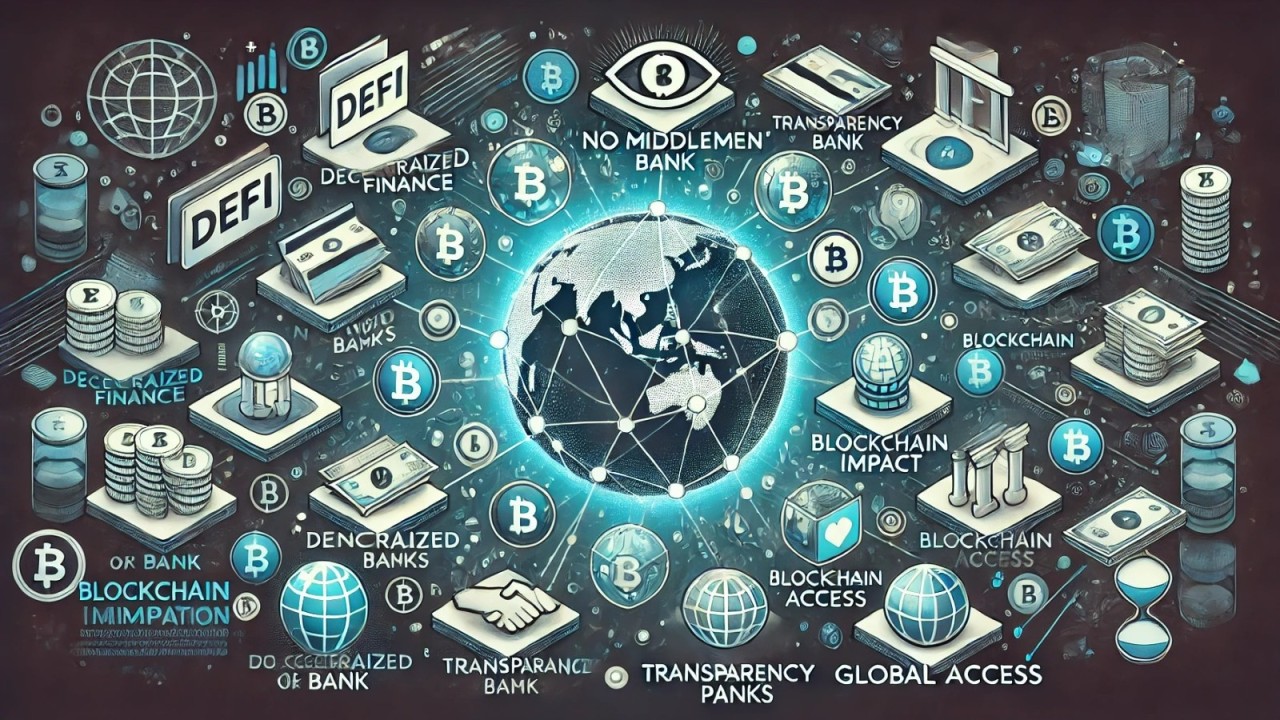

In recent years, decentralized finance (DeFi) has emerged at the forefront of financial innovation, transforming traditional systems with blockchain-based alternatives that are transparent, accessible, and borderless. While much of the conversation around DeFi focuses on trading, yield farming, and token economics, there’s a deeper story unfolding — DeFi’s potential to empower communities, advance social causes, and redefine the way we think about philanthropy and financial inclusion. This blog explores the social impact of DeFi, showcasing how these technologies support social good, enable new models of funding and collaboration, and also the challenges that must be addressed to realize this promise.
What Is DeFi and Why It Matters for Social Impact
Decentralized finance refers to financial systems built on blockchain networks — primarily public ones like Ethereum — that empower users to access financial tools without traditional intermediaries such as banks or financial institutions. Through smart contracts, DeFi applications facilitate lending, borrowing, payments, insurance, and asset management in a transparent, automated way.
For social impact, DeFi matters because it removes barriers that have historically excluded billions of people from participating in formal financial systems. According to the World Bank, around 1.4 billion adults globally remain unbanked — without access to basic financial services. DeFi’s permissionless nature means anyone with a smartphone and internet access can participate, creating opportunities for empowerment in regions where banking infrastructure is limited or unreliable.
DeFi and Social Causes: New Pathways for Support
One of DeFi’s most compelling promises is its ability to mobilize capital for social causes in ways that are transparent, efficient, and community-driven.
1. Transparent Giving and Traceable Impact
Traditional philanthropy often struggles with opacity — donors may not know how, when, or where their contributions are used. Blockchain technology changes this dynamic by making transactions transparent and verifiable. Donors can see exactly how funds flow from their wallet into a smart contract and onto intended recipients. This transparency boosts accountability, reduces fraud, and builds trust between contributors and beneficiaries.
2. Lower Costs, Faster Settlement
In many developing regions, remittance and transaction fees can eat up a significant portion of funds sent from abroad — sometimes more than 10%. DeFi drastically reduces costs by eliminating intermediaries and using peer-to-peer networks. Funds can be transferred instantly across borders at a fraction of the cost, ensuring more of every dollar reaches the intended cause or community.
Philanthropy and Crowdfunding in the DeFi World
DeFi is redefining how communities raise and allocate funds for social impact. Let’s explore some standout examples.
Philanthropic Grants via Tokenized Funds
Some DeFi platforms are experimenting with tokenized charitable funds where contributors receive digital tokens representing their stake in a social cause. These tokens may also confer governance rights, giving donors a voice in how resources are deployed. This form of “participatory giving” aligns with the ethos of decentralized governance and empowers communities to collectively steward resources.
Crowdfunding for Impact Projects
Decentralized crowdfunding platforms allow projects with social missions to attract global capital without needing traditional intermediaries or long approval cycles. For example, a community in a remote region might issue a token or raise funds via a DeFi protocol to build a solar microgrid, support local education initiatives, or fund emergency relief efforts.
Because these campaigns occur on public blockchains, contributors can track progress and outcomes, adding accountability to initiatives that might otherwise be difficult to monitor.
Peer-to-Peer Lending: Financial Inclusion in Action
Peer-to-peer (P2P) lending has long been recognized as a tool for financial inclusion, enabling individuals and small businesses to access capital outside traditional banking systems. DeFi supercharges this concept by automating lending and borrowing via smart contracts.
In decentralized P2P lending:
- Borrowers can collateralize assets and access loans without credit checks or gatekeepers.
- Lenders earn interest by providing liquidity directly to the protocol.
- Smart contracts enforce repayment terms, reducing counterparty risk.
This has profound implications for underserved populations:
- Small business owners without formal credit histories can access micro-loans.
- Farmers can borrow against future crop yields using tokenized assets.
- Students can finance education without predatory lending terms.
Since the system operates globally, individuals in regions with limited banking services can participate alongside others from around the world.
Charity DAOs: Community-Driven Good
One of DeFi’s most intriguing innovations for social impact is the Decentralized Autonomous Organization (DAO) — a community-led entity governed by token holders according to pre-defined rules encoded as smart contracts.
Charity DAOs operate on the principle that communities, rather than centralized institutions, can decide where funding is allocated based on collective governance.
How Charity DAOs Work
- Token holders propose initiatives — For example, disaster relief, education funding, or healthcare support.
- Voting occurs on the blockchain — All stakeholders can vote transparently.
- Funds are disbursed automatically — Once a proposal meets predefined criteria, the smart contract executes payouts.
This democratizes philanthropy and encourages community engagement. Instead of a few individuals or institutions making top-down decisions, diverse stakeholders participate in choosing how and where to direct resources. It also introduces the possibility of collective ownership of impact — those who contribute to the DAO have a say in how their contributions are used.
Benefits of DeFi for Social Good
The social benefits of DeFi are substantial and wide-ranging:
1. Inclusivity
DeFi opens doors for individuals who have been excluded from traditional financial services because of geography, identity, or socioeconomic status. Anyone with internet access can participate, lowering barriers to entry and leveling the playing field.
2. Transparency and Trust
Blockchain’s immutable ledger means transactions are visible and verifiable. This transparency builds trust among contributors, reduces corruption, and ensures funds are used as intended.
3. Efficiency
Smart contracts streamline financial operations by removing intermediaries, reducing friction, and lowering costs. Funds for social causes can be transferred quickly and with minimal fees.
4. Civic Engagement
By integrating governance with giving — as seen in Charity DAOs — people are no longer passive donors but active participants in decision-making processes.
Challenges and Considerations
Despite the promise, DeFi’s application to social impact is not without challenges.
1. Technical Complexity
For many potential beneficiaries, DeFi platforms remain difficult to navigate. Wallet setup, understanding smart contracts, and managing digital assets require a level of technical literacy that many lack.
2. Regulatory Uncertainty
The decentralized nature of DeFi often places it in regulatory gray zones. Governments and regulators are still figuring out how to classify and govern these systems, which affects trust, adoption, and legal protections for users.
3. Security Risks
Smart contracts are as secure as the code they’re written in. Vulnerabilities and exploits can lead to significant financial losses. Ensuring robust security practices and audits is essential — especially when real people’s livelihoods and social causes are at stake.
4. Access and Digital Divide
While DeFi can increase financial access, it also assumes access to digital infrastructure — smartphones, internet connectivity, and basic digital literacy. In regions where these are limited, DeFi’s potential remains unrealized.
The Future: DeFi as a Force for Social Good
Despite the challenges, DeFi holds immense potential to reshape how we think about finance — not just as a mechanism for profit, but as a tool for empowering humanity.
Imagine a world where:
- A community in a remote village funds its own sustainable energy projects using decentralized crowdfunding.
- Students around the world access micro-financing in a peer-to-peer system without needing banks.
- Global donors contribute to a charity DAO that transparently funds disaster relief, with real-time tracking of how every dollar is spent.
This is not a speculative dream; it’s a future being built today.
DeFi’s core principles — openness, transparency, and decentralization — align with the values necessary for more equitable and inclusive financial systems. By removing barriers, empowering individuals, and fostering community governance, DeFi can help build a world where financial tools serve humanity’s most pressing needs.
In the end, DeFi is more than a financial revolution — it’s a social one. The question isn’t just how DeFi will reshape markets, but how it will reshape our capacity for collective action, compassion, and shared prosperity.